
Infrastructure
AI’s electricity bill, and why power now decides where compute goes
10 August 2026 · 8 min read · 2 public sources
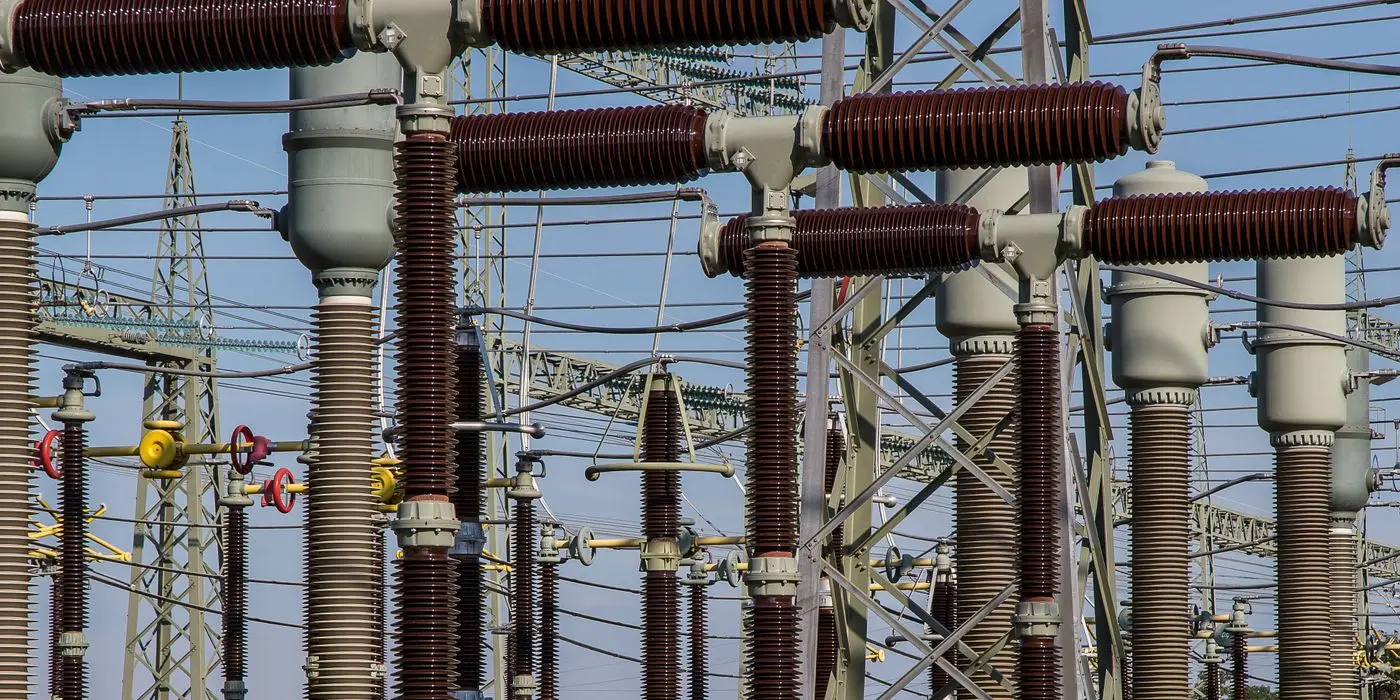
The International Energy Agency’s Energy and AI report puts a number on something the industry has felt for two years. Data centres accounted for around 1.5% of world electricity consumption in 2024 — 415 terawatt-hours — and the agency projects that consumption more than doubling to around 945 TWh by 2030, slightly more than Japan’s total electricity consumption today. Artificial intelligence is the principal driver of the increase.
Why this lands differently outside the large markets
A doubling of global demand is an abstraction until it competes with something local. In markets where generation is already tight and industrial tariffs already high, new large loads do not simply arrive — they queue, they negotiate, and they are often asked to bring their own generation. That reorders the economics of building versus renting compute, and it makes the grid connection, not the rack, the long-lead item.
What this changes in an ordinary IT decision
- Treat power as a procurement question with its own lead time, not a facilities detail settled after the design.
- Ask a colocation provider for measured power usage effectiveness and the actual availability record of the feed, not the design figure.
- Establish what happens on generator: for how long, at what fuel cost, and which workloads are shed first.
- Size for the load you will have after the AI features you are already planning, not the load you have now.
- Compare the total cost of a local rack against regional capacity honestly, including latency, egress charges, and where the data is permitted to sit.
Efficiency is now a capacity strategy
When power is the constraint, every watt reclaimed is capacity you did not have to buy. Consolidating underused virtual machines, right-sizing instances that were provisioned for a peak that never came, retiring workloads nobody owns, and scheduling batch work for off-peak hours are unglamorous, and they move the number that matters. The same is true of model choice: a smaller model that answers the question is cheaper in electricity as well as in licensing.
The organisations that will find this transition manageable are the ones that already know what their estate draws, what it does, and which parts of it could be switched off tomorrow without anyone noticing. That inventory is the prerequisite for every decision above.
Sources and further reading
This article summarizes publicly available research. Source findings retain their original geographic and sector scope.
- [01]Energy and AI — executive summaryInternational Energy Agency · 2025
- [02]Energy and AIInternational Energy Agency · 2025
Put this thinking to work
Tell us about your estate and we’ll map what to build, secure, or fix first.
Keep reading
More insights

Cyber security
Business email compromise: verify the payment, not the email
11 August 2026 · 7 min read


Infrastructure
When the cable breaks: designing for connectivity that will fail
6 August 2026 · 7 min read